

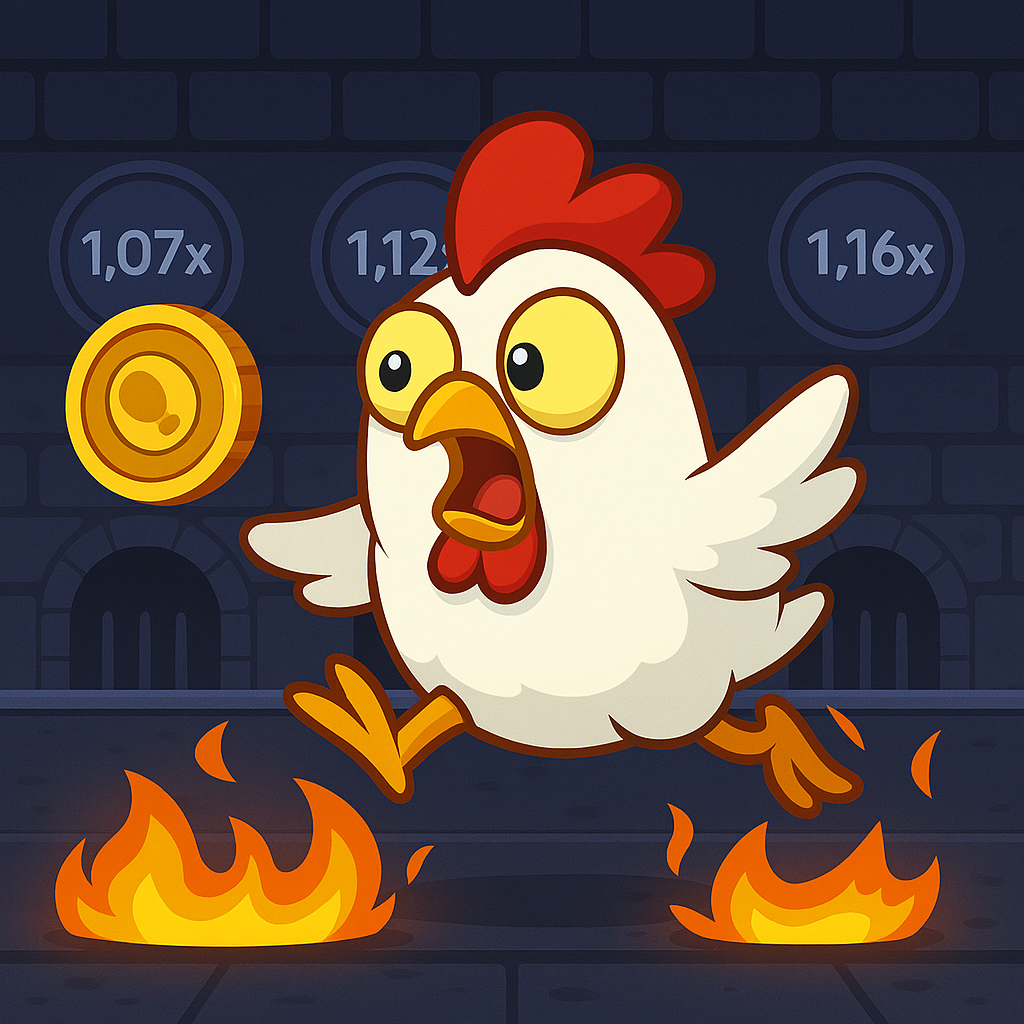
Mental preparation for the Chicken Road Game is essential for UK pros aiming to enhance performance under pressure. They employ visualization techniques to imagine success and incorporate mindfulness to sustain focus amidst chaos. Pre-game rituals play a significant role in establishing mental fortitude, while team interactions foster collaboration and resilience. Yet, the question remains: how do these strategies transform anxiety into a potent motivator during high-stakes moments? Investigating this further uncovers deeper perceptions into their approach.
The Importance of Mental Toughness
Mental toughness acts as a cornerstone for success in high-pressure environments, especially in competitive games like the Chicken Road game. Players must develop resilience and adaptability to traverse unpredictable challenges. This mental fortitude enables them to remain composed when facing setbacks, guaranteeing they don’t succumb to pressure or anxiety. Strategic focus is vital; sustaining concentration enables players to seize opportunities and make well-informed decisions swiftly. Empathy improves teamwork, as understanding teammates’ emotions can foster stronger connections and support during critical moments. In mastering mental toughness, players not only improve their individual performance but also add positively to the collective energy of the team, laying the groundwork for continued success in the high-stakes environment of competitive gaming.
Visualization Techniques for Success
Visualization techniques can play an integral role in achieving success in the Chicken Road Game. By utilizing the power of mental imagery and establishing clear intentions, players can formulate a roadmap to their desired outcomes. Consistent practice of these techniques can enhance focus and bolster confidence, making them invaluable tools for mental preparation.
Power of Mental Imagery
While athletes often focus on bodily training, they can greatly improve their performance through the power of mental imagery. This technique allows them to envision successful outcomes, enhancing both skill performance and confidence. By mentally rehearsing particular scenarios, athletes create neural pathways that mirror real performance, nurturing a deeper connection between mind and body. Research shows that vivid mental imagery can markedly reduce anxiety, as it conditions the mind to stay calm under pressure. Furthermore, visualizing effective plays helps athletes adapt their strategies during competition. It’s a powerful tool, enabling them to approach challenges with a mindset geared toward success. Integrating mental imagery into daily routines can ultimately position them on the path to mastery, revealing their full potential in high-pressure environments.
Setting Clear Intentions
Envisioning success goes beyond mere imagery; it demands the setting of clear intentions that guide an athlete’s focus and motivation. By articulating specific goals and desired outcomes, athletes establish a roadmap for their performance, enhancing both clarity and purpose. This strategic approach nurtures a mindset that is unwavering and resolute, enabling athletes to confront challenges with confidence. Clear intentions serve as anchors, allowing them to remain grounded during high-pressure moments. Additionally, these intentions provide a structure for evaluating progress, encouraging continuous growth and adaptation. As athletes engage in this process, they develop resilience, ensuring that their mental preparation aligns with their aspirations. Ultimately, setting clear intentions alters visualization into a powerful tool for mastering the art of performance.
Practicing Consistent Visualization

Successful athletes understand that the crucial element to mastering their performance lies in consistently practicing visualization techniques. By clearly envisioning successful scenarios, they not only enhance their confidence but also enhance muscle memory. Frequently picturing game situations strengthens strategies and prepares the mind for execution under pressure. This mental rehearsal enables athletes to recognize potential obstacles, providing a mental map for surmounting challenges during competition. Empathy plays a crucial role here; athletes can bond emotionally with their visions, establishing a more profound commitment to their goals. Additionally, maintaining a strategic approach helps them focused, making sure they visualize key aspects of the game. As they accept this practice, the influence on performance becomes evident, as they become more proficient at maneuvering high-stakes situations.
Mindfulness Practices to Stay Present
Maintaining focus during the Chicken Road Game demands productive mindfulness practices, notably breathing techniques and visualization strategies. By honing controlled breathing, players can improve their concentration and control pre-game anxiety. Additionally, envisioning successful outcomes not only equips the mind for victory but also solidifies the present moment, anchoring players in their performance.
Breathing Techniques for Focus
While athletes often emphasize on physical training, mastering breathing techniques can greatly improve mental clarity and focus during crucial moments, such as the high-pressure environment of a Chicken Road game. By integrating specific techniques, players can boost their mindfulness and keep their composure when stakes are high. The following strategies can help: benshulihulichicken.com
- Diaphragmatic Breathing
These techniques, when practiced regularly, can provide athletes a mental edge during competitions.
Visualization for Game Success
As players gear up for the intensity of a Chicken Road game, visualization acts as a powerful tool to boost their performance and confidence. By mentally visualizing successful plays, athletes can train their mind to handle the pressure of competition. This technique fosters a deeper connection between thought and action, enabling players to respond instinctively during high-stakes moments. Practicing visualization allows them to stay present, lowering anxiety and enhancing focus. Furthermore, visualizing various game scenarios aids develop strategic awareness, allowing players to foresee challenges and react efficiently. Incorporating this mindful practice not only strengthens skill mastery but also cultivates resilience. Ultimately, visualization becomes a pillar for those striving for excellence, permitting them to give their best when it counts.
Developing a Pre-Game Ritual
A well-crafted pre-game ritual can substantially improve an athlete’s focus and confidence, especially in a high-stakes environment like the Chicken Road Game. These rituals function as mental anchors, helping athletes transition from daily life to a competitive mindset. To develop an effective pre-game ritual, athletes might consider integrating the following elements:
- Consistent Timing
Strategies for Managing Stress
Understanding how to manage stress efficiently is crucial for athletes preparing for the Chicken Road Game. Athletes often experience pressure that can impede performance. Executing breathing techniques, like deep diaphragmatic breath, can help anchor players in the moment and reduce anxiety. Visualization serves as another powerful tool; by envisioning successful plays, athletes can create a mental blueprint that nurtures confidence and focus. Maintaining a structured routine also aids in minimizing uncertainties, allowing players to focus on their skills. Additionally, open communication with teammates and coaches promotes a sense of camaraderie, lessening feelings of isolation during high-pressure situations. By integrating these strategies into their preparation, athletes can convert stress into a driving force, enhancing both individual and team performance.
Building Resilience Through Adversity
While facing challenges during preparation for the Chicken Road Game, athletes can develop resilience that boosts their performance. Embracing adversity can improve mental fortitude and create growth opportunities. To build this resilience, athletes might consider the following strategies:
- Reevaluate setbacks
- Set incremental goals
- Practice self-compassion
The Role of Team Dynamics in Mental Preparation
When athletes cultivate strong team interactions, they often facilitate deeper levels of mental preparation crucial for competitive success. Positive team interactions encourage a sense of belonging, reducing anxiety and boosting focus. Each member’s unique strengths add to a collective resilience, encouraging teammates to support one another during challenging moments. This collaborative environment enables athletes to share strategies, build trust, and engage in beneficial feedback, which improves their mental acuity. Additionally, the shared experiences of highs and lows cement bonds, making individuals more willing to confront personal and group adversities. Ultimately, developing effective team interactions simplifies mental preparation, allowing athletes to channel their collective energy into achieving peak performance in critical situations like the Chicken Road Game.
Conclusion
Mental preparation for the Chicken Road Game isn’t just about physical readiness; it’s a thorough approach that combines mental toughness, visualization, and team interaction. By mastering these elements, players create a robust environment that thrives on collaboration and trust. Accepting challenges as opportunities transforms stress into motivation, fostering a positive atmosphere. Ultimately, UK pros demonstrate that a strategic focus on mental conditioning can greatly boost performance, supporting the idea that success begins in the mind before it appears in action.
