

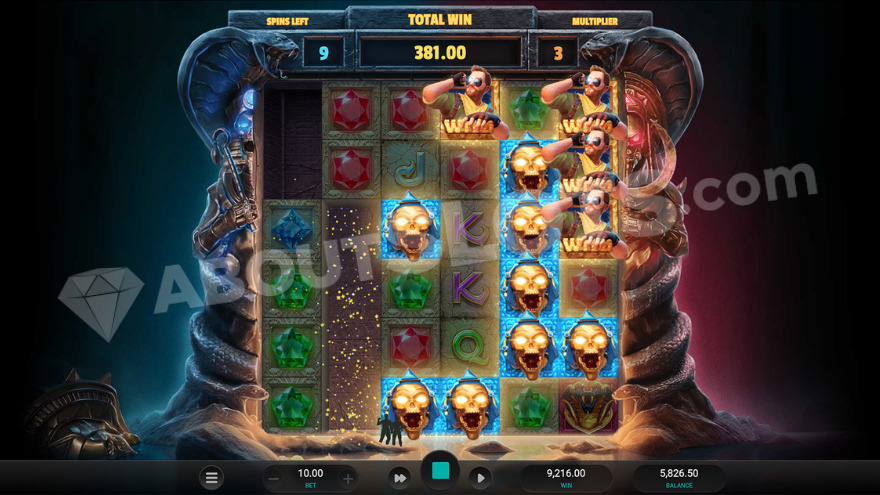
The regulatory journey of Temple Tumble slot under United Kingdom jurisdiction highlights the complexities operators face in aligning with strict regulations. Operators must secure appropriate licensing, employ strict player protection measures, and guarantee game fairness through routine audits. As the environment evolves, maintaining compliance becomes progressively challenging, especially with emerging technologies. This raises important questions about the future adaptability of compliance practices and how they might transform the online gaming arena.
Understanding United Kingdom Gambling Regulations
Understanding UK gambling regulations is crucial for any online gaming provider seeking to operate in the market. The UK Gambling Commission establishes a structure aimed at ensuring fairness, transparency, and player protection. Providers must adhere to strict requirements, including promoting safe gambling and executing strong customer verification processes. Compliance involves regular audits and reporting, which assess operational practices and financial integrity, facilitating a level playing field. Additionally, laws around data protection mandate providers safeguard personal information, shaping their technological infrastructure. Failure to comply can lead to severe penalties, including loss of operating licenses. Consequently, mastering these regulations is fundamental for providers aiming for longevity and credibility in the competitive UK online gaming environment.
The Importance of Licensing for Online Slots
Licensing plays a vital role in the operation of online slots, as it serves as both a legal requirement and a mark of trustworthiness. In the UK jurisdiction, operators must obtain licenses from the UK Gambling Commission (UKGC), ensuring compliance with stringent regulatory standards. This licensing process verifies that operators follow responsible gambling practices, implement secure payment methods, and uphold data protection protocols. Additionally, solid licensing promotes consumer confidence, allowing players to engage with online slots knowing their interests are safeguarded. Failure to obtain appropriate licenses can cause significant penalties, including fines and operational bans. Therefore, licensing remains crucial not only for legal adherence but also for creating a credible presence in the competitive online gaming market.
Game Fairness and Randomness Standards
Game fairness and randomness standards are essential for ensuring that Temple Tumble Slot satisfies regulatory compliance requirements. The use of accredited random number generators holds a significant role in upholding the integrity of gameplay, as it assures players of uncertainty in outcomes. Additionally, a rigorous testing and certification process is necessary to confirm these systems, thereby enhancing trust and transparency in the gaming experience.

Regulatory Compliance Requirements
As casino operators launch the Temple Tumble slot, ensuring adherence to regulatory conformity requirements becomes crucial, particularly regarding gaming fairness and randomness standards. The UK Gambling Commission requires stringent testing protocols to verify that games operate transparently and fairly. This includes the requirement for comprehensive documentation demonstrating that payout percentages comply with set benchmarks and players have equal opportunities to win. Compliance also involves regular audits and third-party certification from accredited testing laboratories, which examine the algorithms ensuring randomness. Operators must also maintain detailed records of game performance, as these add to continuous evaluations of fairness. Ultimately, these requirements are crucial to nurturing player trust and sustaining a competitive edge in a highly regulated market.

Random Number Generation
While the Temple Tumble slot seeks to provide an engaging gaming experience, its basis relies significantly on Random Number Generation (RNG) technology to guarantee fairness and randomness. RNG algorithms produce outcomes that are unpredictable and unbiased, essential for preserving player trust and adherence to regulatory standards. Each spin is decided by complex equations, ensuring every outcome remains independent from previous results, which aligns with the Gambling Commission’s guidelines. In addition, efficient RNG execution necessitates regular audits to confirm that these systems function properly and consistently. By utilizing cutting-edge RNG technology, Temple Tumble not only fulfills but also surpasses regulatory expectations, demonstrating a commitment to game integrity that resonates with informed players and industry participants alike.
Testing and Certification Process
To guarantee fairness and randomness in gameplay, the testing and certification process for Temple Tumble complies with strict industry standards set by regulatory bodies. Independent testing laboratories examine the game’s Random Number Generator (RNG) to confirm it meets the necessary randomness criteria. Each spin’s outcome must be random and independent of previous results, aligning with the specifications outlined by the UK Gambling Commission. Additionally, compliance tests assess the software architecture, mathematical models, and payout percentages, ensuring they conform to required thresholds. By undergoing thorough audits, Temple Tumble ensures transparency and player confidence. This strong certification process not only strengthens regulatory compliance but also strengthens the game’s reputation within the competitive online gaming market, reassuring players of fair and legitimate play.
Implementing Player Protection Measures
In the context of “Temple Tumble, Temple Tumble, ” executing player protection measures is fundamental for regulatory compliance and player welfare. Responsible gaming protocols, strong age verification practices, and the enforcement of deposit limits together improve player safety and foster a viable gaming environment. Analyzing these components demonstrates their critical role in reducing potential risks associated with online gambling.
Responsible Gaming Protocols
As participants engage with the Temple Tumble slot, the application of responsible gaming protocols becomes vital in safeguarding their experience. Developers must set up tools that allow players to set deposit limits, session time alerts, and self-exclusion options. Such measures not only aid players but also improve transparency and accountability within the gaming environment. Integrating educational resources about gambling-related risks cultivates informed decision-making. Additionally, ongoing monitoring of player behavior allows for the timely identification of problematic patterns, prompting intervention when necessary. Compliance with UK regulations mandates these protocols, ensuring that player welfare remains a priority. By cultivating a responsible gaming culture, operators not only adhere to legal standards but also contribute positively to the industry’s reputation and sustainability.
Age Verification Practices
While ensuring a safe gaming environment, age verification practices play a essential role in protecting youthful and vulnerable players in the Temple Tumble slot experience. To comply with UK regulations, operators must implement robust systems that accurately verify player age before enabling access. This process typically uses a combination of identity checks and third-party verification services, ensuring that only those aged 18 and over can participate. Additionally, operators must regularly monitor and update their verification protocols to comply with regulatory changes. Failure to meet stringent age verification standards can lead to considerable legal repercussions and damage to the operator’s reputation. By emphasizing these measures, Temple Tumble bolsters its commitment to responsible gaming and player protection within the increasingly scrutinized online gambling environment.
Deposit Limits Enforcement
Establishing robust deposit limits is another fundamental aspect of player protection measures in the Temple Tumble slot experience. By applying these limits into practice, operators guarantee that players maintain control over their gambling behavior. Regulatory structures, like those mandated by the UK Gambling Commission, demand that online casinos enforce these limits proactively. This requires continuous monitoring of player activity and behavior patterns to detect any signs of financial distress. Additionally, operators must provide users with powerful tools for setting and adjusting their deposit limits easily, encouraging a responsible gambling environment. Regular audits and compliance checks promote transparency, enabling players to make educated financial decisions while enjoying the game, ultimately improving the integrity of the gaming experience within the UK jurisdiction.
Age Verification and Responsible Gaming
How can operators assure that age verification processes effectively encourage responsible gaming within the Temple Tumble slot environment? Implementing robust verification mechanisms is vital for compliance and player protection. Operators must harness advanced technology, such as biometric verification and machine learning algorithms, to accurately assess players’ ages while ensuring data privacy. Additionally, staff training on responsible gaming practices is significant; employees should spot red flags and intervene appropriately. Regular audits of age verification procedures can detect gaps and foster continual improvement. By fostering a culture of accountability and transparency, operators enhance trust with users and regulators alike. Ultimately, an effective age verification system serves as a foundation for lasting gaming, safeguarding the interests of all stakeholders in the UK gambling environment.
Continuous Compliance and Auditing Processes
Strong age verification procedures lay the groundwork for continuous compliance within the Temple Tumble slot setting. This structure necessitates a sturdy auditing process to guarantee continuous adherence to regulations.
Key components of this continuous compliance framework include:
- Regular internal audits that assess functional integrity and compliance with legal standards.
- Dynamic reporting systems that promote transparency and instant access to compliance data.
- Implementation of remedial actions derived from audit findings to continually improve standard operating practices.
Future Trends in Compliance for Online Gaming
As the online gaming landscape progresses, so too must compliance frameworks modify to emerging technologies and changing regulatory expectations. The rise of artificial intelligence and machine learning will greatly improve the ability to detect fraudulent activities and guarantee player protection. Additionally, blockchain technology may simplify compliance tracking, offering verifiable and immutable records of transactions. Regulators are likely to enforce more stringent standards around data privacy, necessitating advanced encryption measures and clear data handling practices. As jurisdictions change, the harmonization of global regulations will become vital, prompting operators to embrace flexible compliance systems capable of addressing varied legal environments. Future trends will demand active engagement with regulatory bodies, guaranteeing a collaborative approach to maintaining responsible gaming practices and safeguarding consumer interests.
Conclusion
In conclusion, the adherence process of the Temple Tumble slot within the UK territory exemplifies the need of complying with rigorous regulations. Operators must remain vigilant in securing licenses, guaranteeing game fairness, and enacting strong player protection measures. Ongoing monitoring and routine audits not only enhance compliance but also foster player trust. As the regulatory environment develops, staying ahead of trends in compliance will be crucial for protecting players and preserving a secure online gaming environment.
